
Vegan Diet for Weight Loss
What is a vegan diet?
 A vegan diet is one that involves eating only plant-based foods. It’s a type of vegetarianism, but it excludes all animal products including eggs, dairy foods and honey. Due to its restrictive nature, it tends to be more nutrient-dense than other dietary patterns (meaning you can get the most nutrients with the fewest calories). However, this isn’t always the case, as some vegans may rely mostly on processed foods to meet their nutritional needs.
Can a vegan diet help me lose weight?
Research indicates that plant-based diets tend to be lower in calories than other dietary patterns and lead to greater weight loss for obese individuals. A 2013 review of several clinical trials found that those following a vegan diet lost more weight than those following calorie-restricted diets, as well as those who followed diets that included animal products. This review also found that those who were the most overweight (with BMIs over 30) experienced greater improvements in their blood pressure and cholesterol levels when following a vegan diet compared to other dietary patterns.
How does a vegan diet help to promote weight loss?
A vegan diet focuses on unrefined foods and tends to be high in fiber, which fills you up and may keep you fuller for longer. This can help you eat less and stay satisfied with smaller portions that still provide the necessary energy and nutrients your body needs. As well, research has found that those following plant-based dietary patterns tend to use more fat as an energy source rather than glucose. This may lead to greater weight loss as excess body fat is burned for fuel. A vegan diet also tends to be lower in saturated and trans fats, which contribute to obesity and health complications such as heart disease and diabetes.
A vegan diet helps you lose weight by cutting down the number of calories you eat, as well as increasing food to be used as energy.
Here are some tips on going vegan and losing weight:
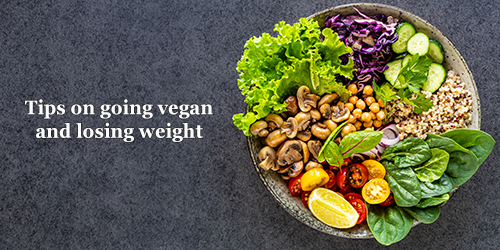 Follow a healthy diet plan. Focus on whole foods such as fruits, vegetables, whole grains and legumes instead of processed convenience foods. Don’t cut out every single animal-derived ingredient in a recipe. Instead, try using dairy-free alternatives or substituting ingredients, such as using tofu instead of paneer cheese in a curry.
Eat enough food. An inadequate caloric intake can lead to a slower metabolism and weight gain. When trying to lose weight it’s important to make sure you’re eating enough calories from whole foods to maintain your current weight.
Drink plenty of water and limit consumption of high-calorie beverages such as sodas, sweetened coffee and juice drinks.
Limit intake of higher calorie nuts and nut butter (including peanut butter) and seeds (such as tahini). They’re great sources of healthy fats, however, they’re also calorie-dense. For example, half a cup of tahini has 819 calories and 50 grams of fat.
Consume enough protein throughout the day. Although you don’t need to eat meat or dairy to meet your daily protein needs, soy is a great alternative for vegetarians. A single cup of tofu contains around 20 grams of protein. Other vegan-friendly protein options include legumes, whole grains and some vegetables such as peas, spinach and broccoli.
Be creative with your meals. Try making a healthy stir-fry using tofu instead of meat. Or try roasting veggies (such as carrots and asparagus) with a small drizzle of olive oil and seasonings of your choice. Use spices and herbs to flavour foods instead of salt, sugar or butter.
10 reasons you should go vegan diet
 The world is becoming more and more aware of the negative environmental effects that meat-eating has on our planet. Now, there’s also evidence that such a diet can be downright bad for our health as well. Even if you’re not convinced that the world should go vegan diet, here are 10 good reasons to try it yourself:
1. You’ll live longer
A study published in the American Journal of Clinical Nutrition found that vegans have a 12% lower risk of death compared to meat-eaters, fish-eaters and vegetarians. According to research from Cornell University, going vegan can add 3-1/2 extra years to one’s life.
2. It will help you get rid of acne
Vegan diets are low in dairy, so will reduce your intake of hormones. This can lead to clearer skin over time.
3. You’ll have higher energy levels
After switching to a vegan diet, many people report feeling “clearer”, more energetic and focused. Vitamin B12 deficiency is incredibly common, even among meat-eaters and can result in fatigue.
4. You’ll lose weight
Many vegans are surprised to find that they’ve lost weight after eating an all plant-based diet. This is true for many people who switch from a standard American diet full of processed foods with hidden animal ingredients to one consisting mostly of whole, unprocessed foods.
5. You’ll probably spend less money on food
Vegan diets tend to be inexpensive since they rely heavily on grains, legumes and vegetables. Processed vegan products can be a bit more pricey, but not always – for example, you can buy a pound of organic spinach for as-cheap-as non-organic.
6. You’ll get more fibre
Vegans tend to consume much higher amounts of fibre on average, which helps with weight loss and other health benefits. Try to aim for about 25-30 grams per day if you want to improve your chances of avoiding heart disease, cancer and Type II diabetes.
7. You’ll have cleaner teeth
Many people find they have whiter, cleaner teeth after switching to a vegan diet because plant-based foods do not contain the same amount of sugar and animal by-products that processed food and meat does.
8. You’ll feel more energetic
A vegan diet can lead to increased energy levels. This is due to a large amount of fresh, whole foods you’ll consume which are packed with vitamins and nutrients.
9. You’ll lower your blood pressure
Switching to a vegan diet will increase your intake of potassium-rich foods, which can significantly reduce blood pressure. Just make sure not to overdo it on fruit as this can lead to high blood sugar.
10. You’ll have a lower body mass index
Sticking to a vegan diet often leads to an increased intake of whole foods which can improve your weight and reduce your BMI.
Common misconceptions about the vegan lifestyle and diet
Though the vegan lifestyle and diet is commonly practised by those who are ethically conscious, there are many misconceptions about the choice to abstain from animal products. It’s time to debunk these myths so that all can have a better understanding of why vegans eat and live the way they do.
Myth #1: Vegans only eat salads.
It’s true that many people believe that to be a vegan means eating nothing but salad, but this is generally not true for those who abstain from animal products because of ethical reasons. While it is possible to survive on a purely raw vegan diet that is almost entirely fruits and vegetables, the reason most vegetarians and vegans choose this lifestyle is to lower their carbon footprint and save animals. For this reason, vegans typically eat a variety of foods; grains, beans, legumes, nuts/nut butter and soy products (tofu, tempeh), fruits, vegetables, and of course, salads.
Myth #2: Vegans are malnourished.
A common myth about vegans is that because they don’t eat animal products, they can’t get the nutrients required to maintain a healthy lifestyle. While it is true that not all vegan foods contain large amounts of vitamins and minerals, there are vegan foods that are enriched with them; nutritional yeast, leafy greens, nuts/nut butter, etc. And it is certainly possible to meet all of one’s daily nutritional requirements while living a vegan lifestyle. Additionally, nowadays many (if not most) vitamin brands offer vegan options.
Myth #3: Vegans lack protein.
The myth that vegans are protein-deficient is one of the most common, but it is also one of the easiest to debunk. First off, all plant foods contain protein so eating a variety of vegan foods will ensure that an individual gets enough protein in their diet. Perhaps more importantly though, many bodybuilders are now choosing to abstain from animal products because of the fact that they can get more protein out of their typical vegan diets than omnivores.
Myth #4: Vegans are aggressive and pushy about their lifestyles.
No one has to tell others why they choose not to eat meat or wear animal products if they don’t want to; there is no reason for them to be pushy or aggressive about it. If someone has the desire to share why they are vegan, however, they should feel free because there is so much misinformation about living a vegan lifestyle that their input could be beneficial to others.
Myth #5: Vegans are against animal testing in cosmetics and household products.
Though it is true that many vegans are opposed to the animal testing done in household and cosmetic products, this does not mean that all vegans feel the same way. It is an issue that elicits a variety of opinions among vegetarians and vegans.
Myth #6: Vegans are never satisfied with their lives; they always want to push things further.
It’s true that some vegans may want to push the boundaries, but this does not mean it applies to all of them; there are several vegans who are perfectly happy with their dietary choices and lifestyles. If someone feels that veganism is causing undue stress or harm, then they should try their best to let go of these feelings and accept that living a vegan lifestyle does not have to cause them this kind of distress.
Myth #7: Vegans are judgmental of others’ choices.
Just because vegans choose not to eat animal products it doesn’t mean they are necessarily judging others who do make different dietary choices for themselves, their family or their pets. Vegans typically refrain from criticizing or judging others because they are aware that everyone has their own reasons for making the choices they do.
Myth #8: Vegans can eat anything as long as it’s vegan.
As with many other things in life, vegans are not exempt from cravings for foods that are not part of their lifestyle. Just because an individual identifies as vegan, it doesn’t mean that they can eat anything they want without consequences or repercussions; some foods just aren’t compatible with the lifestyle.
Myth #9: It’s impossible to be vegan in a non-vegan world.
Though it may seem difficult sometimes to maintain a vegan diet in a world full of meat-eaters, it’s important to remember that there are dozens of vegan options available to anyone who wants them. It may take a bit more effort but maintaining a vegan diet is certainly possible.
Myth #10: You can’t be vegan if you live in the middle of nowhere.
Vegans are not restricted to large cities or areas with a large vegan population; living in a small town or rural area does not have to prohibit someone from maintaining a completely animal-product free lifestyle. There are vegan options available just about everywhere, so you can still live the way you want if living in an area that isn’t especially vegan friendly.
So never judge someone who is going on a vegan diet just because it’s different from yours.
Sample of Vegan Diet Meal Plan
This meal plan is only an example, you can change the ingredients in your own vegan diet plan to suit yourself.
Breakfast: Carnation instant breakfast with soymilk Poached egg on toast w/ tomato salsa Black tea
Lunch: Green salad Vegan bean chilli Vegan spinach cookies
Dinner: Vegetable pasta salad Brussel sprouts with mushrooms Spaghetti marinara
Be sure when creating your own vegan diet plan that you take into consideration all of the necessary nutrients you need on a daily basis.
The following are some of the nutrients you will get from vegan food
Protein: Protein is an important part of maintaining a healthy body and mind, vegans can get protein from legumes, nuts and seeds.
Fats: Make sure that your vegan diet plan contains foods with healthy fats such as nuts and avocados.
Calcium: Calcium is necessary for strong bones and teeth. You can find calcium in green leafy vegetables, tofu and soy milk.
Iron: Iron is necessary for healthy blood cells, vegans can get iron from legumes, dried fruits and dark leafy greens.
Vitamin C: Vitamin c helps the body to absorb iron. Find vitamin C in oranges, kiwis, strawberries or grapefruit.
Vitamin D: Vitamin D helps the body to use calcium, get vitamin D from fortified soy milk or sunlight.
If you’re thinking about going vegan but are not sure if it will work for your lifestyle, our website is a good place to start. We have lots of helpful recipes and tips that can help you figure out if eliminating animal products is something that would be beneficial for you. Not only do we provide Vegan diet plan ideas for weight loss, but also general healthy eating habits as well.
Whether or not the idea of becoming vegetarian sounds appealing to you right now, at least take some time to explore what we offer on our site before making up your mind! You never know what changes might happen in the near future – today could be the day when switching over from an omnivorous diet becomes easier than ever before because of the knowledge you’ve gained from this post.